
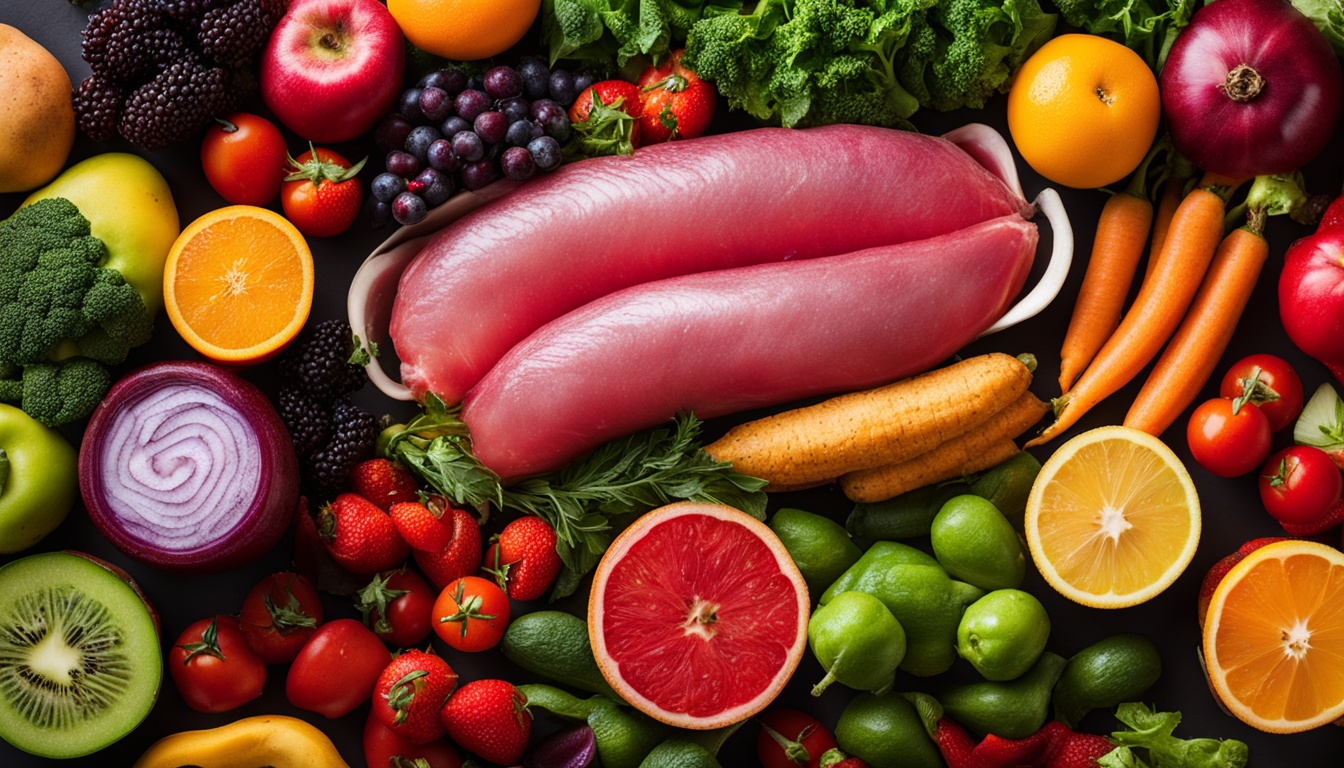
Our gut health is at the heart of our overall well-being. It’s often called the “second brain” because it plays a big role in our health. It helps with digestion and boosts our immune system, making a balanced gut key for good health.
The gut microbiome is full of trillions of microorganisms. These tiny creatures are vital for our digestive and immune health. If their balance is off, it can affect how we digest food and even our mood. Learning about a healthy gut can help us live better and feel more alive.
We’ll dive into the world of the gut microbiome next. We’ll see how it helps our health and connect it to our overall well-being. Come with us as we explore how a healthy gut leads to a healthy life.
Understanding the Gut Microbiome
The gut microbiome is a group of microorganisms that live in our digestive system. These microorganisms, mainly bacteria, are vital for our health and well-being. They make up the gut flora or gut ecosystem.
What is the Gut Microbiome?
The gut microbiome is full of trillions of microbial cells from thousands of species. It’s a complex place that helps with digestion, absorbing nutrients, and keeping our immune system strong.
The Diverse World of Gut Bacteria
Our gut microbiome is full of different kinds of bacteria. Each person has its own mix of these bacteria. The main types are Firmicutes and Bacteroidetes. Keeping these bacteria in balance is important for a healthy gut and overall health.
Health Benefits of a Balanced Gut
A balanced gut does more than just help with digestion. It boosts our overall health in many ways. It supports our immune system and mental health. Keeping our gut diverse and healthy is key to getting the most benefits.
Having a balanced gut means better digestion. It helps break down and absorb nutrients from food. This leads to more energy, a stronger immune system, and healthier skin.
The link between our gut and body is strong. Research shows a balanced gut can improve our mental health. It’s called the “second brain” because it makes a lot of serotonin. This helps us feel good and think clearly.
So, a balanced gut offers many health perks. Eating well, taking probiotics, and managing stress can help. This way, we can make the most of our gut-body connection for better health.

Gut Health and Immune Function
The link between gut health and the immune system is complex and important for our health. Our gut is home to many bacteria, viruses, and other tiny organisms. These tiny friends help shape and control our immune system.
The Gut-Immune Connection
Recent studies have found that our gut microbiome affects our immune system. The immune system has special tissue in the gut to fight off threats. A healthy mix of gut bacteria keeps our immune system working right by helping immune cells do their job.
But if our gut microbiome is off balance, our immune system can suffer. This might lead to allergies, autoimmune diseases, or ongoing inflammation. So, keeping our gut and immune system in good shape is key to staying healthy.
Learning about how gut health and immunity work together helps us take care of both. This can lead to better overall health and well-being.
Gut Health and Digestion
Your gut’s health is key to a well-working digestive system. It’s home to a variety of gut bacteria, known as the gut microbiome. These bacteria help break down food and absorb important nutrients. Having a balanced gut microbiome is vital for good digestion and getting the nutrients your body needs.
Breaking Down Food Efficiently
The gut microbiome is full of enzymes and bacteria that work together to break down food. This makes it possible for our bodies to get the nutrients, vitamins, and minerals we need. When the gut microbiome is balanced, our digestive system can efficiently process and absorb what we eat. This supports overall gut health and nutrient absorption.
But, if the gut bacteria are out of balance, known as gut dysbiosis, problems can happen. This imbalance can cause bloating, gas, constipation, or diarrhea. The body can’t break down and absorb nutrients properly. So, keeping a healthy gut microbiome is crucial for a well-functioning digestive system.
Gut Health and Mental Well-being
Research has found a strong link between our gut health and our mental well-being. Our gut is home to many bacteria, viruses, and microorganisms. These tiny creatures help make neurotransmitters that control our mood, stress, and how well we think.
A healthy gut means a diverse group of these microorganisms. This diversity is key for better mental health. These gut bacteria help make serotonin and dopamine, which make us feel good. If our gut isn’t diverse, we might feel anxious, depressed, or have other mental health issues.
The link between the gut and brain goes both ways. Stress can upset the balance in our gut, making it harder to manage our mental health. Eating well, exercising, and managing stress can help keep our gut and brain healthy. This supports our mental health.
Eating foods good for the gut, like fermented foods and fiber-rich veggies, helps our gut microbiome. Adding probiotic supplements can also help. Taking care of our gut can lead to a better mood, less stress, and sharper thinking. It’s a great way to look after our mental health.
The Role of Diet in Gut Health
Keeping your gut healthy is key to feeling good overall. What you eat greatly affects your gut microbiome. Eating the right foods can make your gut ecosystem balanced and improve digestion.
Nourishing Your Gut with the Right Foods
Adding prebiotic and probiotic foods to your gut-friendly diet can change your gut health for the better. Prebiotics, found in fiber-rich fruits and veggies, feed the good bacteria in your gut. Probiotics in foods like yogurt, kefir, and sauerkraut bring in more good bacteria. These can help with digestion, boost your immune system, and even make you feel happier.

By choosing to eat these foods every day, you can build a strong, balanced gut microbiome. This leads to better health and a more energetic you.
Health Consequences of an Imbalanced Gut
Your gut’s health greatly affects your overall health. An imbalance in gut bacteria, called gut dysbiosis, can lead to chronic health issues. This imbalance can cause a leaky gut, which is a big concern.
Leaky gut syndrome happens when the gut lining gets weak. This lets food, toxins, and bacteria into the bloodstream. This can cause inflammation and lead to health problems like irritable bowel syndrome (IBS), inflammatory bowel disease (IBD), autoimmune disorders, and chronic fatigue syndrome.
An imbalanced gut microbiome is also linked to weight gain, metabolic disorders, and mental health issues like depression and anxiety. The link between the gut and brain is strong. Research shows that an unhealthy gut can affect how we think and feel.
Keeping your gut healthy is key to staying well and avoiding chronic health issues. By fixing gut dysbiosis and supporting gut bacteria, you can lower the risk of leaky gut, inflammation, and other serious health problems.
Probiotics and Prebiotics for Gut Health
Keeping your gut healthy is key to feeling good overall. Probiotics and prebiotics are key players in gut health. Probiotics are good bacteria in your digestive system. They help make your gut microbiome strong and keep it balanced. Prebiotics are special plant fibers that feed these good bacteria, helping them do their job well.
Adding high-quality probiotic and prebiotic supplements to your daily routine can change your gut health for the better. These nutrients work together to keep your gut microbiome diverse and balanced. This is crucial for good digestion, a strong immune system, and even your mental health. By feeding the good bacteria in your gut, you get many health perks, like better nutrient absorption, less inflammation, and a stronger immune system.
When picking probiotic and prebiotic products, choose well-known brands with proven strains and formulas. Make sure they have different probiotic strains and prebiotic fibers like inulin, chicory root, or GOS. With the right probiotics and prebiotics, you can make your gut health a priority and feel better overall.